
VIP member
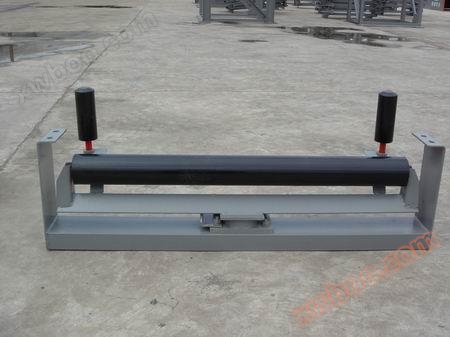
Parallel self-aligning roller set
Rollers are important components of belt conveyors, with a wide variety and large quantity
Product details
Rollers are important components of belt conveyors, with a wide variety and large quantity. It accounts for 35% of the total cost of a belt conveyor and generates over 70% of the resistance, making the quality of the idler particularly important. The function of the idler is to support the weight of the conveyor belt and materials. The operation of the roller must be flexible and reliable. Reducing the friction between the conveyor belt and the idler roller plays a crucial role in the lifespan of the conveyor belt, which accounts for over 25% of the total cost of the conveyor. Although the idler roller is a small component in a belt conveyor and its structure is not complex, manufacturing high-quality idlers is not an easy task. Rollers are important components of belt conveyors, with a wide variety and large quantity. It accounts for 35% of the total cost of a belt conveyor and generates over 70% of the resistance, making the quality of the idler particularly important. The function of the idler is to support the weight of the conveyor belt and materials. The operation of the roller must be flexible and reliable. Reducing the friction between the conveyor belt and the idler roller plays a crucial role in the lifespan of the conveyor belt, which accounts for over 25% of the total cost of the conveyor. Although the idler roller is a small component in a belt conveyor and its structure is not complex, manufacturing high-quality idlers is not an easy task. There are several criteria for judging the quality of the idler: radial runout of the idler; Flexibility of rollers; Axial displacement.
Online inquiry
-
Contacts
-
Company
-
Telephone
-
Email
-
WeChat
-
Verification Code
-
Message Content
-