
VIP member
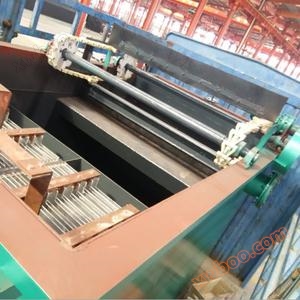
Electric flocculation machine
The reaction principle of electrocoagulation is to use metals such as aluminum and iron as anodes. Under the action of direct current, the anode is di
Product details
Electrocoagulation is a water treatment process that uses metal hydroxides generated by soluble metal anodes during electrolysis to flocculate and remove pollutants from water. In reality, anode materials are usually made of readily available and inexpensive metals such as aluminum and iron. Taking iron as an example, its basic reaction process is as follows:
Anodic reaction: Fe+2e → Fe2+
Cathodic reaction: 2H2O+2e →H2↑+2OH-
Hydrolysis reaction: Fe2++2OH-→ Fe(OH)2↓
The ferrous hydroxide precipitate generated by electrolysis has good flocculation and adsorption properties, which can effectively remove pollutants from wastewater. At the same time, the hydrogen gas released from the cathode during electrolysis can form a large number of tiny bubbles, which have good air flotation separation effect. Therefore, electrocoagulation is usually also known as electrocoagulation air flotation process. In addition, during the electrolysis process, electrochemical oxidation reactions occur on the anode surface, and the ferrous ions produced by electrolysis and the new ecological hydrogen precipitated from the cathode have strong reducibility. Therefore, the electrocoagulation process also has redox functions.
Online inquiry
-
Contacts
-
Company
-
Telephone
-
Email
-
WeChat
-
Verification Code
-
Message Content
-